 BoltLab
Broken Bolt: Protruding, Flush, or Recessed — What Each Condition Means
A broken bolt can stand above the surface, sit about level with it, or sit below it. These conditions are approached differently, which is why it matters to identify which one you have before choosing anything.
This guide explains the three conditions, how a stud differs from a broken bolt, why alignment matters, and when to stop and get qualified help. It does not give step-by-step removal instructions.
Safety first. If this fastener is part of brakes, steering, suspension, airbag or restraint systems, fuel or pressurised systems, or lifting or load-bearing structure, do not use DIY extraction guidance. Get qualified service.
Wear eye protection when working with tools. Read the Disclaimer.
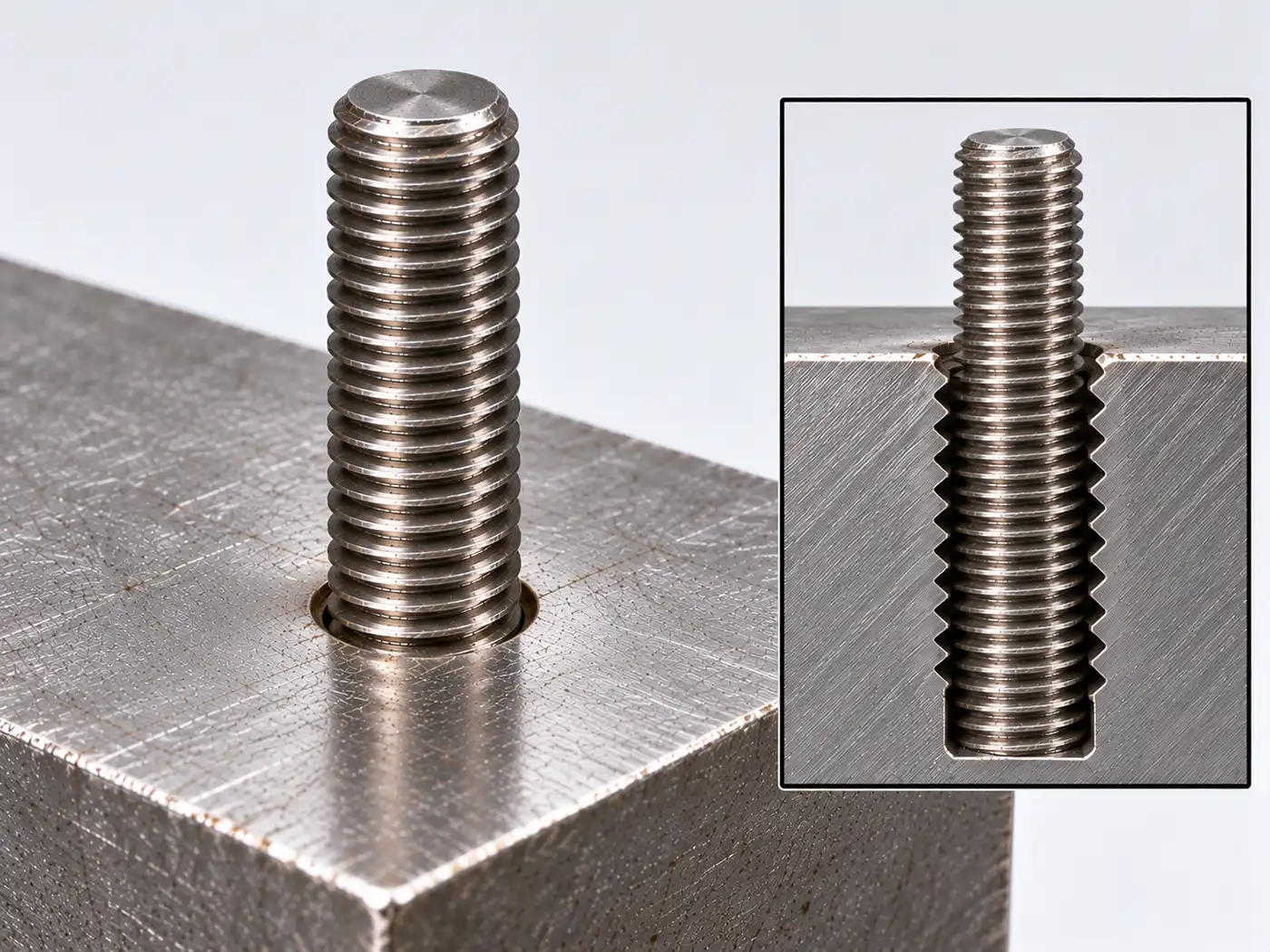
Protruding break
Part of the shank stands above the surface. If enough sound shank is exposed for a tool to fit around it, gripping the shank is one category some people try, for example with locking-type pliers or a similar gripping tool. A stub can twist off further if it is gripped and forced. If too little is exposed to grip, the situation is treated more like a flush break.
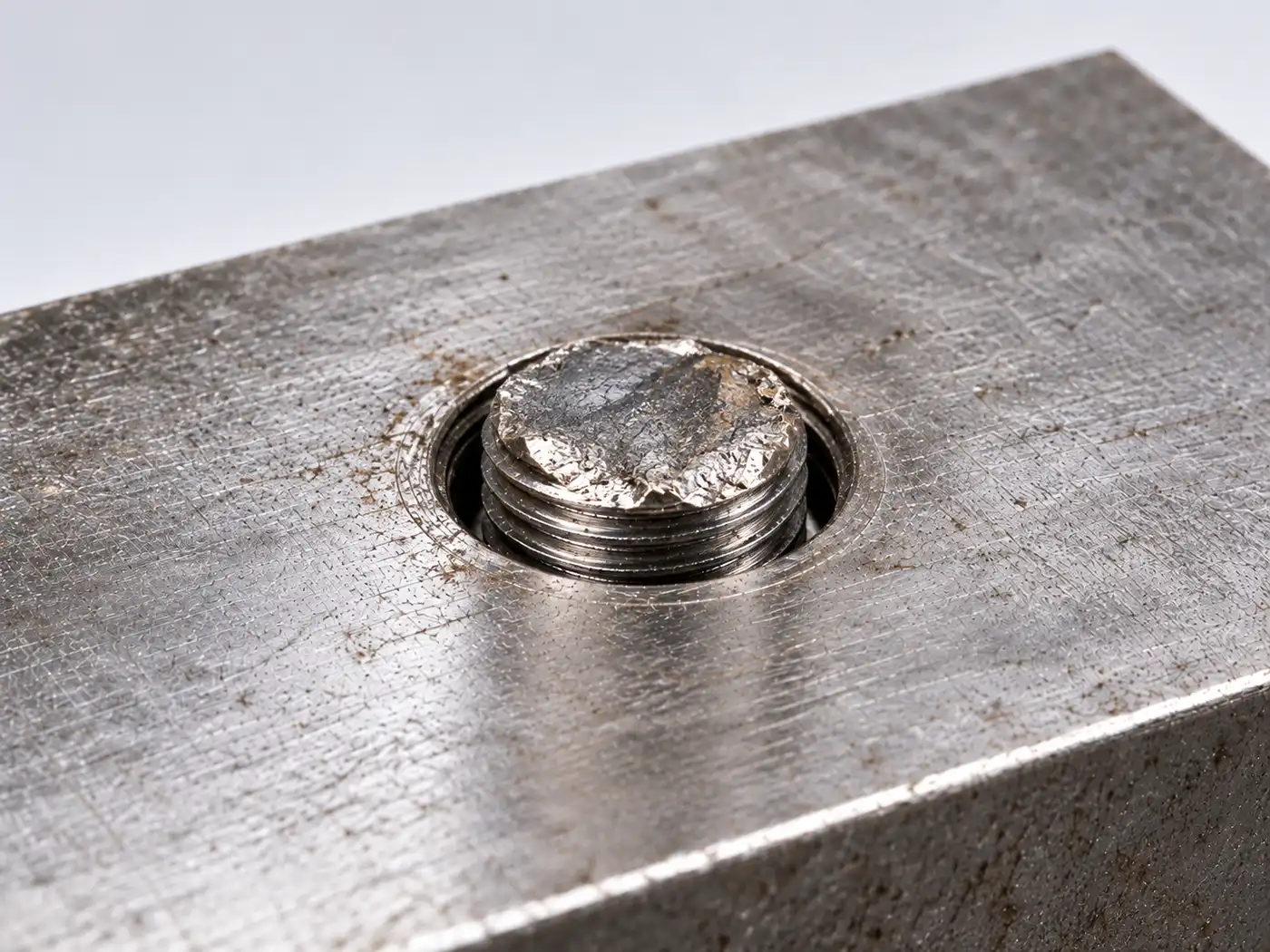
Flush break
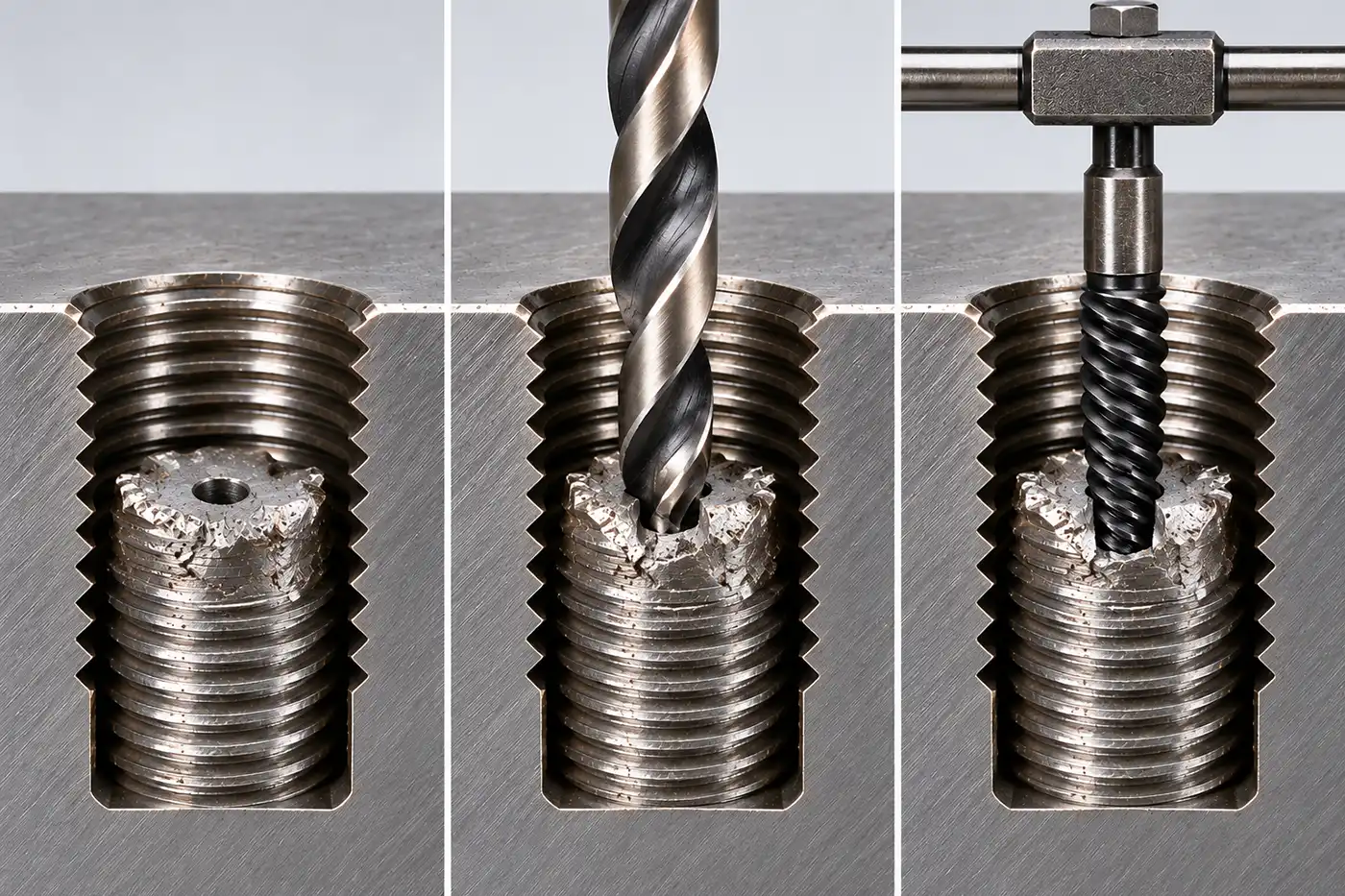
The broken end is about level with the surrounding surface, so there is nothing to grip on the outside. One category of approach is to mark the centre of the broken end, drill a hole into it that lines up with the bolt's own axis, and then use an extractor. Whether that is reasonable depends on being able to reach the broken end squarely.
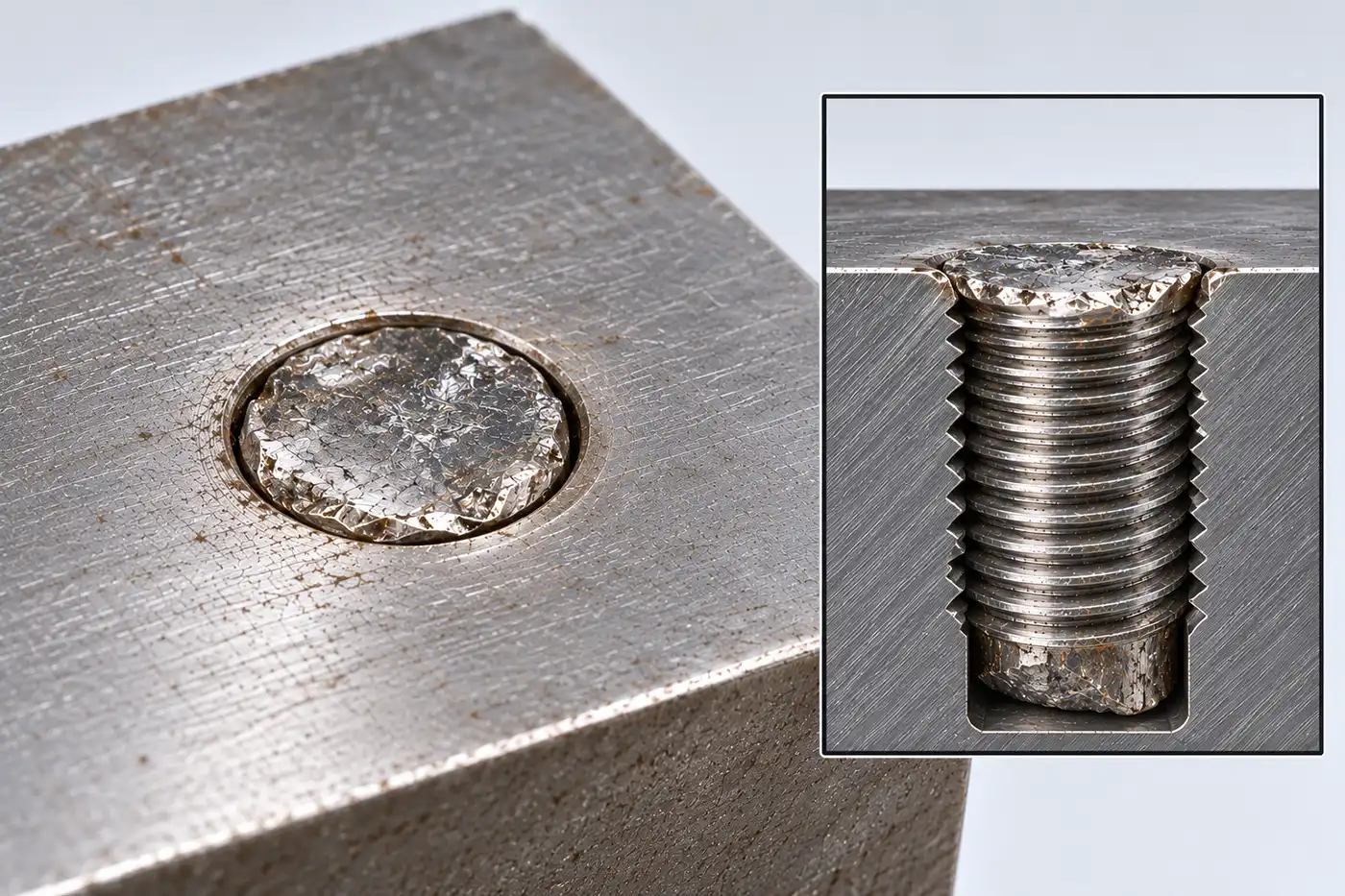
Recessed break
The broken end is below the surface, inside the hole. The same centre-drill-and-extract category applies in concept, but there is less to see and line up against. If you cannot reach the broken end squarely, qualified help is a better choice than working at an angle.
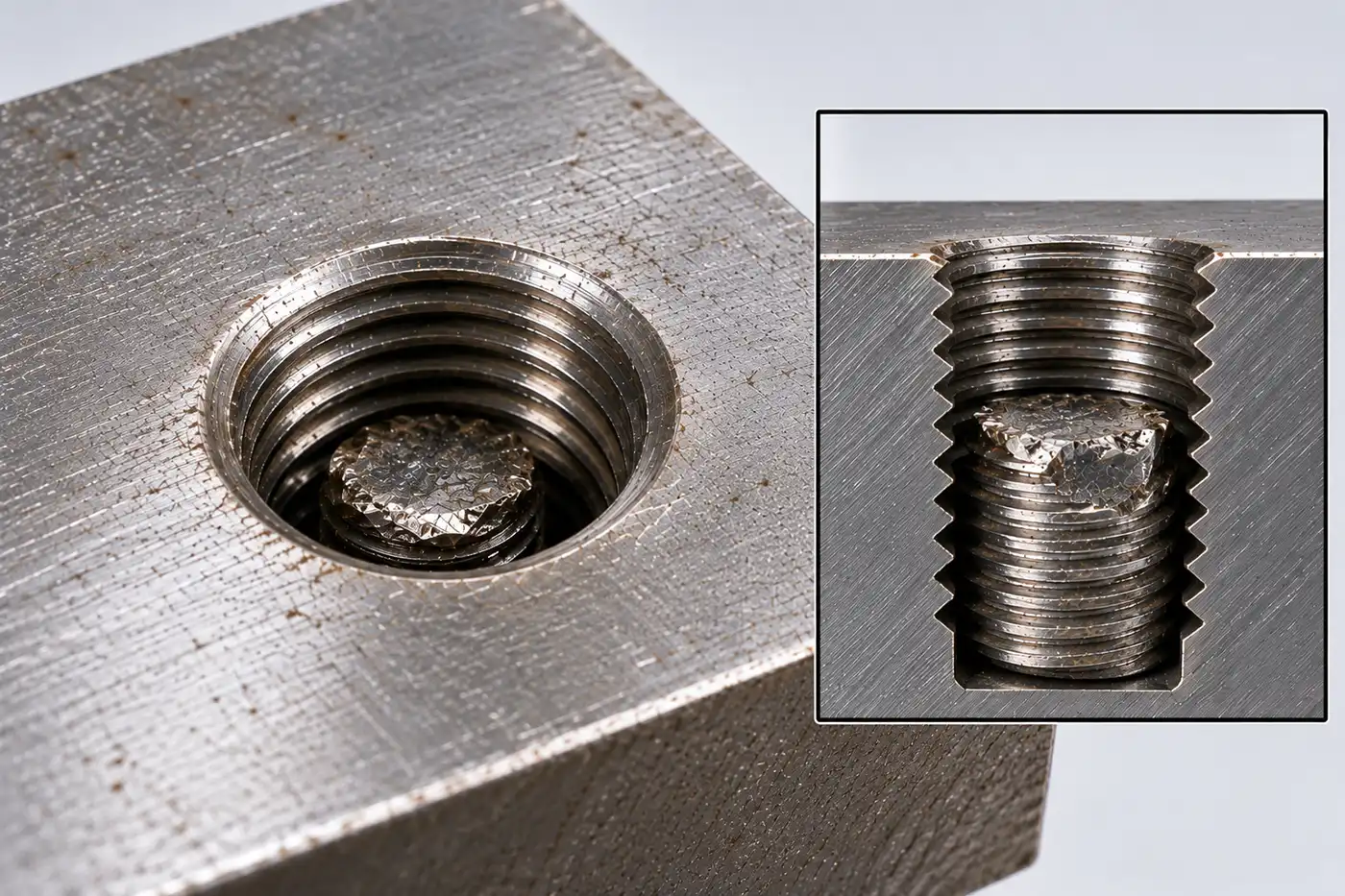
Stud or broken bolt?
A stud is a threaded fastener made without a head. A broken bolt used to have a head and has snapped. They can look similar when only a threaded shank shows.
If a stud is intact and enough undamaged shank is exposed, tools that grip the exposed shank exist; they work differently from extractors that are driven into a drilled hole (see Screw and Bolt Extractor Types). If a stud has snapped off, it is a broken-bolt condition.
Why centring and alignment matter
Drilling off-centre or at an angle can damage the surrounding threads or the part. Marking the centre of the broken end before drilling is a commonly described way to give the drill a starting point.
Extractors are made of hardened steel and can break, and a broken extractor makes the job harder. Extractor sizing is specified by each manufacturer; follow the instructions for that particular set. Some manufacturers, including Irwin in its extractor brochure, recommend a left-handed drill bit for drilling the hole before using an extractor. Some people report that a stuck fastener has backed out while being drilled in reverse; results vary.
This guide gives no hole sizes, depths, or speeds.
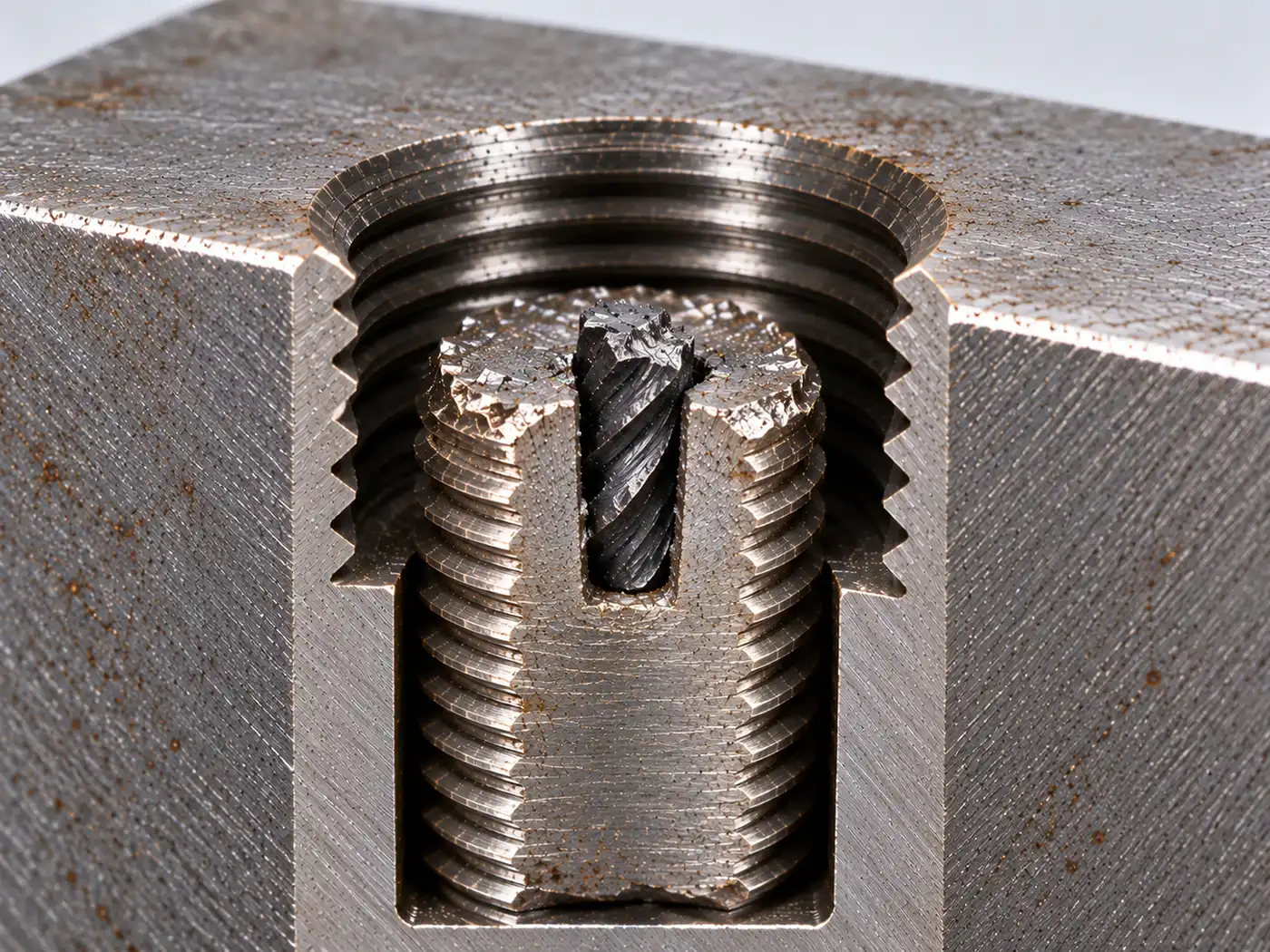
When an extractor or other hardened tool piece breaks
If a hardened tool piece — an extractor, drill bit, or tap — breaks off inside a fastener, the situation is different: removing the fastener can become considerably harder. Stop forcing it and get qualified help, such as a machine shop or a qualified repair professional.
Tell them the fastener type and size if you know them, what the part is made of, which tool piece broke, and what has already been tried. This guide does not describe a way to remove the piece.
Removing the fastener is not the same as repairing the threads
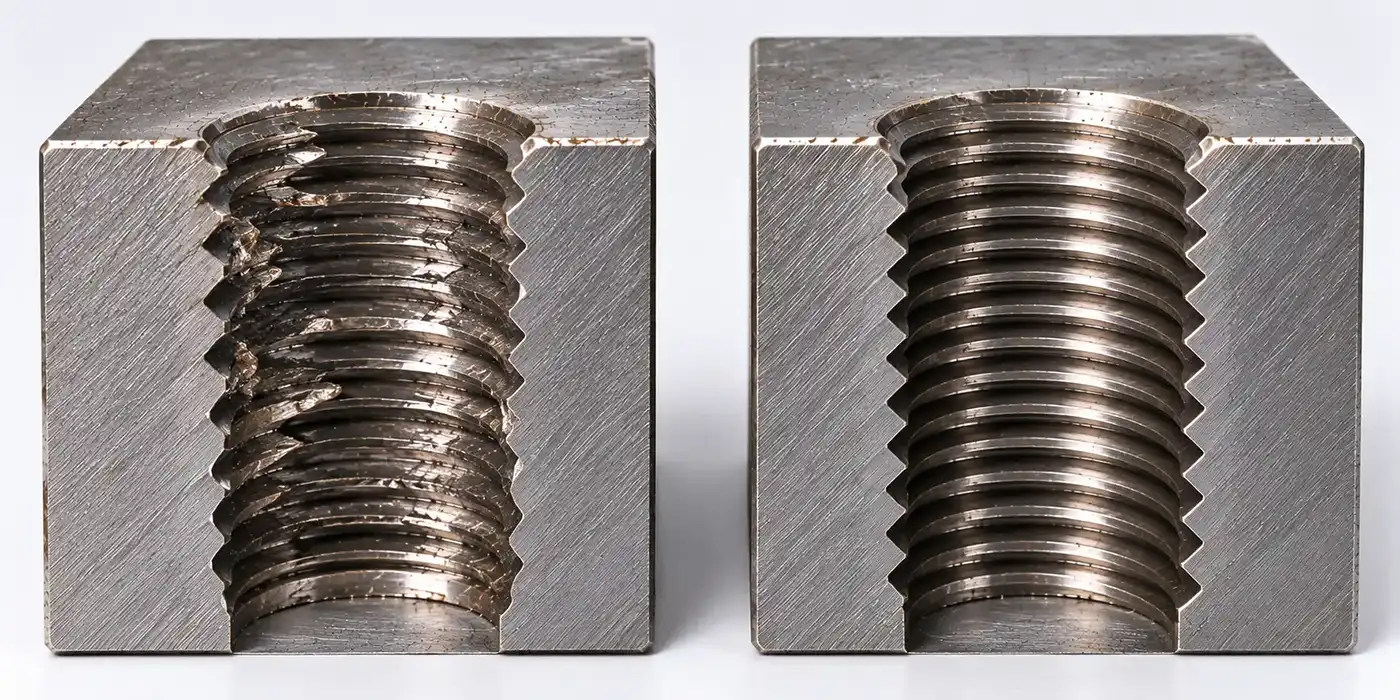
Taking out a damaged fastener and repairing a damaged threaded hole are separate tasks. Drilling off-centre, for example, can damage the surrounding threads. If the hole is empty and its threads look damaged, see the Tapping Workflow and the Tap Type Guide, or follow a thread-repair product maker's instructions. This guide does not describe thread repair.
FAQ
Is a flush break harder than a protruding one?
They are different conditions rather than steps on a difficulty scale. A protruding break may leave something to grip, while a flush break leaves nothing on the outside, so a different category of approach comes into play. Neither is guaranteed to work.
Is a stud a broken bolt?
No. A stud is made without a head. A bolt that has snapped is a broken bolt. If a stud itself snaps off, it becomes a broken-bolt condition.
What happens if an extractor snaps?
A broken extractor makes the job harder, because the hardened piece is now stuck in the fastener. Stop forcing it and get qualified help, such as a machine shop or a qualified repair professional.
Does a rusty bolt change anything?
Corrosion can contribute to a fastener seizing, but visible rust alone does not show whether it will turn. Applying penetrating lubricant before using force is commonly tried first on a stuck fastener; results vary. Forcing a stuck fastener can round its head, strip its recess, or break it.