Screw drive types
What is a screw drive? A screw drive is the recess or external shape at the tool interface of the head—designed to transfer torque from a bit or wrench. It does not define thread size, pitch, or head style.
The drive is the recess or shape your tool engages—separate from head type (pan, hex, countersunk, etc.). Use the diagrams below to match the pattern, then confirm thread size with the Thread Identifier.
Drive comparison
Approximate relative torque capacity and cam-out tendency for correctly sized bits. Actual limits depend on size, material, and fit.
| Drive type | Torque capacity | Cam-out risk |
|---|---|---|
| Slotted | Low–medium | High (bit slips out) |
| Phillips | Medium | High (designed to cam out at overload) |
| Pozidriv | Medium–high | Medium (use Pozidriv bit) |
| Square (Robertson) | High | Low |
| Hex socket (Allen) | High | Low (if bit fully seated) |
| Torx (hexalobular) | High | Low |
| Triple-square (XZN) | High | Medium (wrong bit rounds recess) |
| 12-point (double hex) | High | Low (if bit fully seated) |
| Bristol spline | High | Low (close-tolerance fit) |
| Polydrive | High | Low (multi-lobe contact, fit-sensitive) |
| Spline drive (multi-tooth) | High | Low (if fully engaged) |
| Triangle drive | Medium | Medium (limited bit options) |
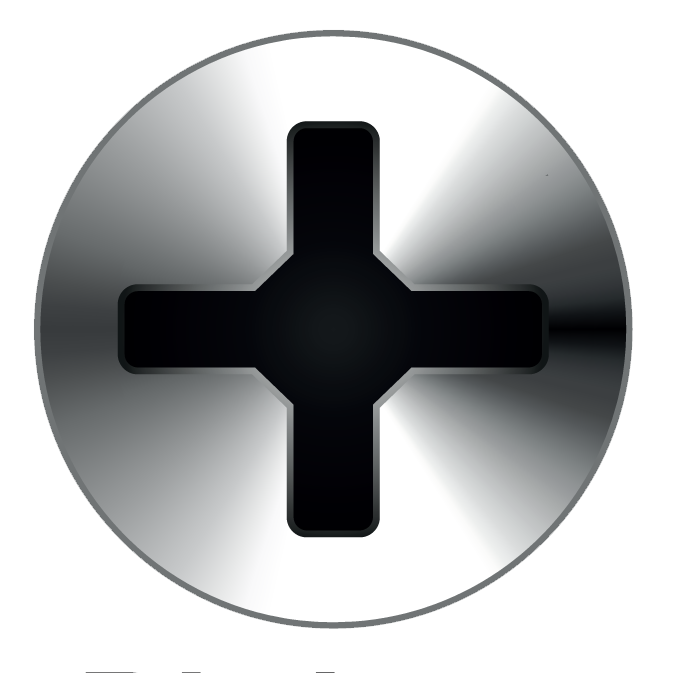
Phillips (cross recess H)
Symmetric cross; common on countersunk and pan screws.
Notes: Can cam out under high torque—use correct bit size.
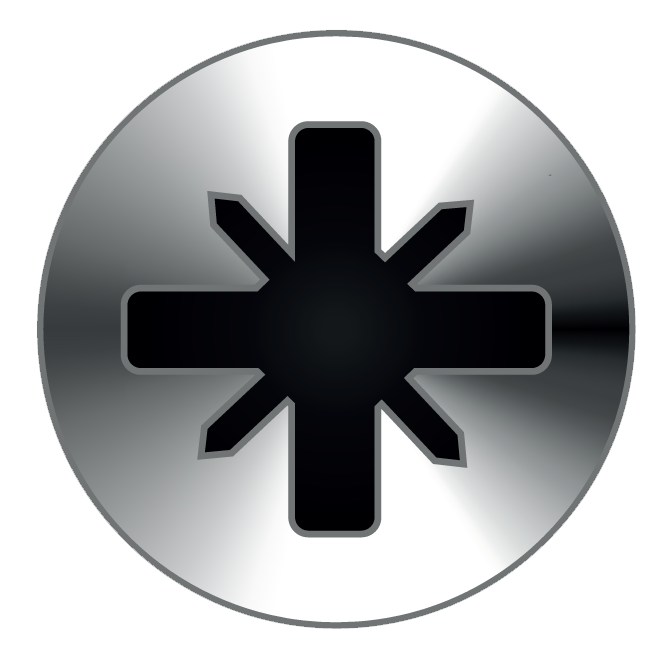
Pozidriv (cross recess Z)
Cross with extra radial ticks; less cam-out than Phillips when paired with a Pozidriv bit.
Notes: Do not confuse with Phillips—use matching bit.
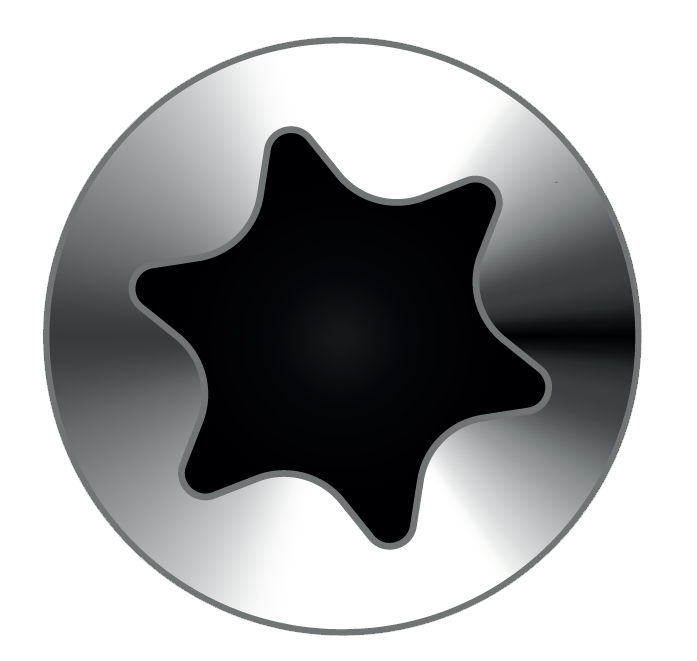
Torx (hexalobular)
Six-lobe star recess; high torque and good bit engagement.
Notes: Security variants add a center pin.
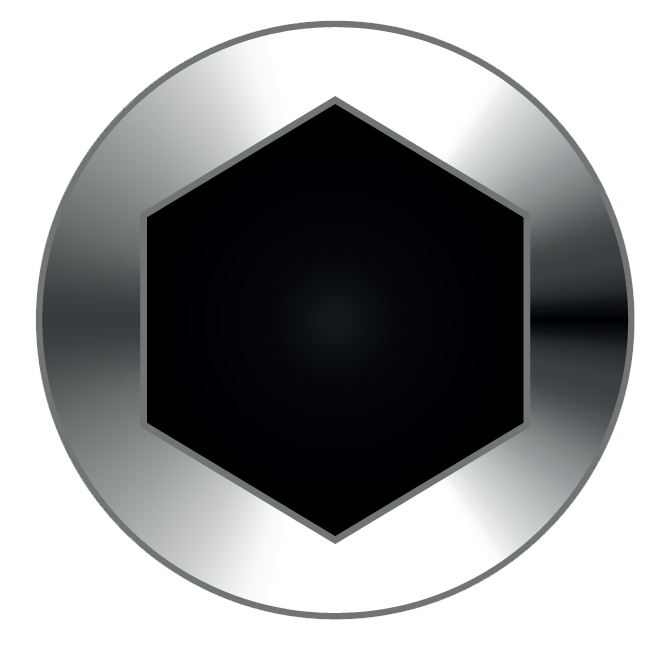
Hex socket (Allen)
Internal hexagon; common on cap screws and furniture hardware.
Notes: Use straight, full-depth keys to avoid rounding.
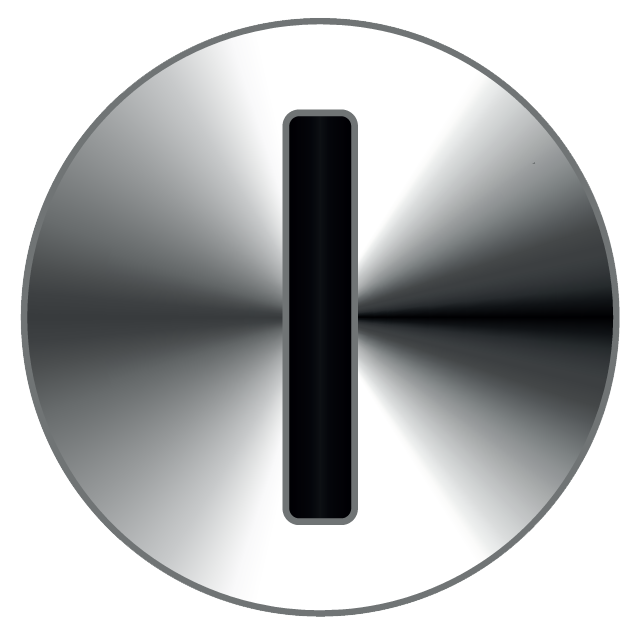
Slotted
Single slot; universal but easy to slip under load.
Notes: Blade width must match slot.
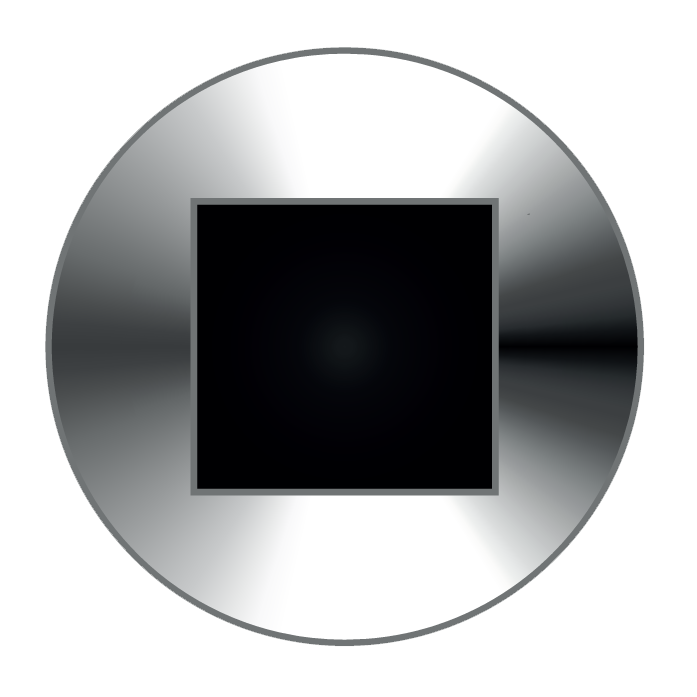
Square (Robertson)
Square recess; strong grip, popular in Canada and woodworking.
Notes: Sized by color/number (e.g. #1, #2, #3).
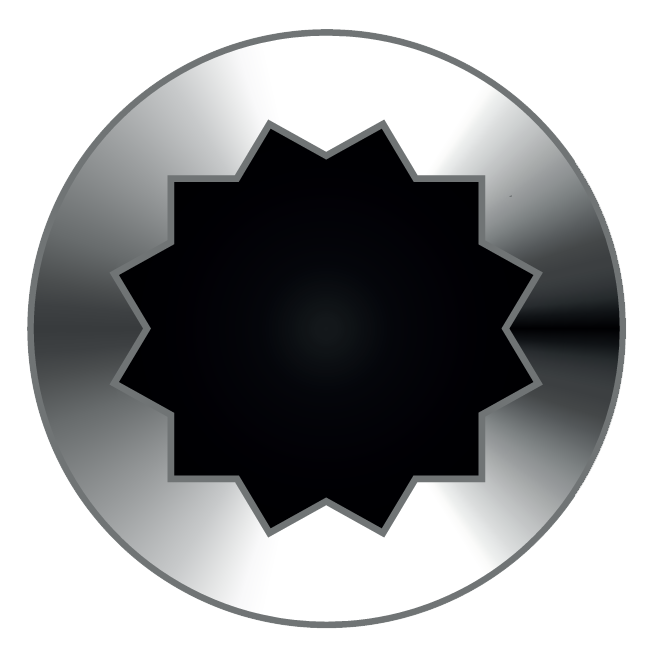
Triple-square (XZN)
Three nested squares at 12° spacing; common on German automotive and high-torque fasteners.
Notes: Not interchangeable with hex or Torx—match the XZN size exactly.
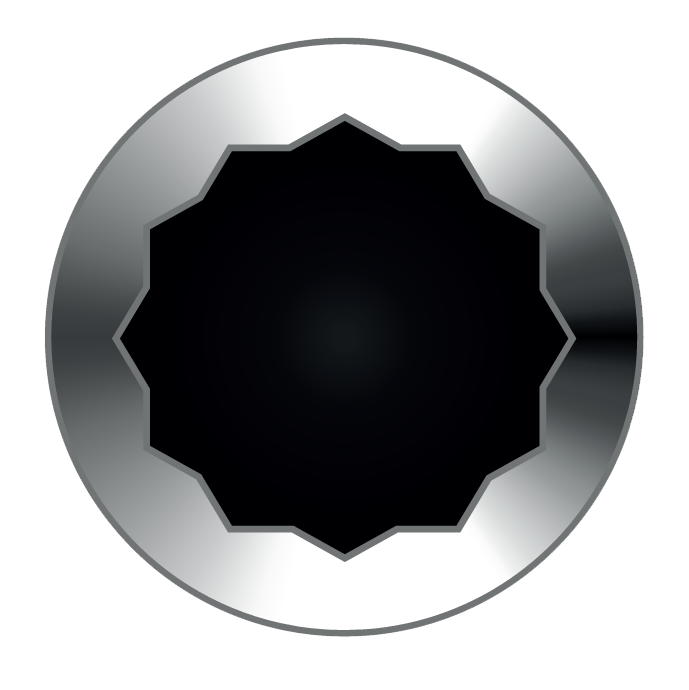
12-point (double hex)
Twelve shallow points on two offset hex patterns; fits standard 12-point sockets and some screw heads.
Notes: More engagement angles than hex; still needs full bit seating.
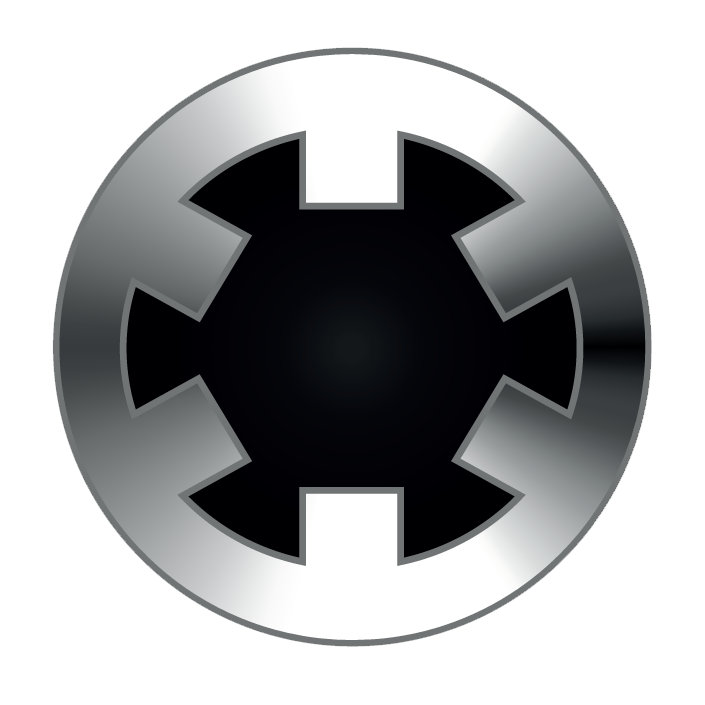
Bristol spline
Multiple narrow flutes (spline) around the recess; high torque and precise fit in aerospace and instrumentation.
Notes: Use the matching spline count and diameter—easy to damage with the wrong bit.
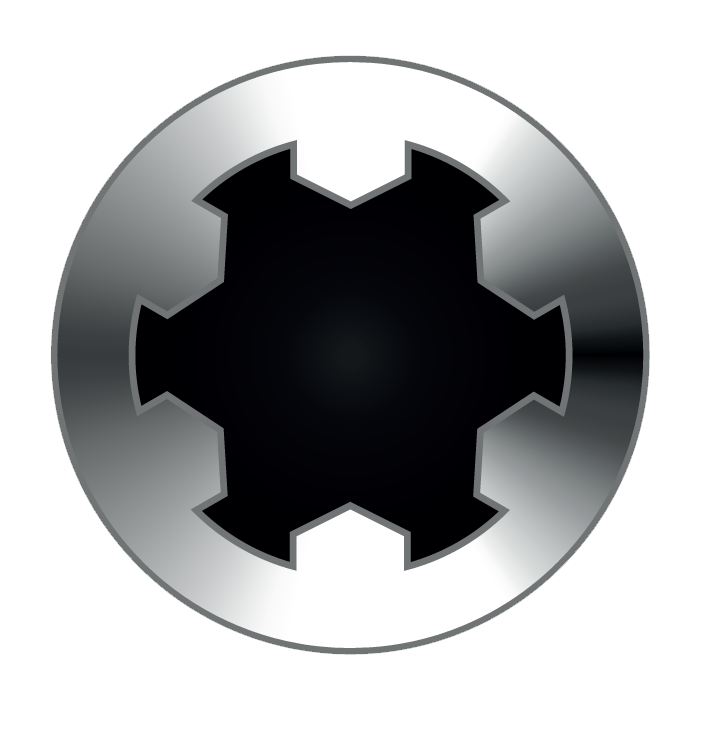
Polydrive
Rounded multi-lobe recess used for high-torque assembly in industrial and automotive applications.
Notes: Requires matching Polydrive bit profile; wrong bits wear lobes quickly.
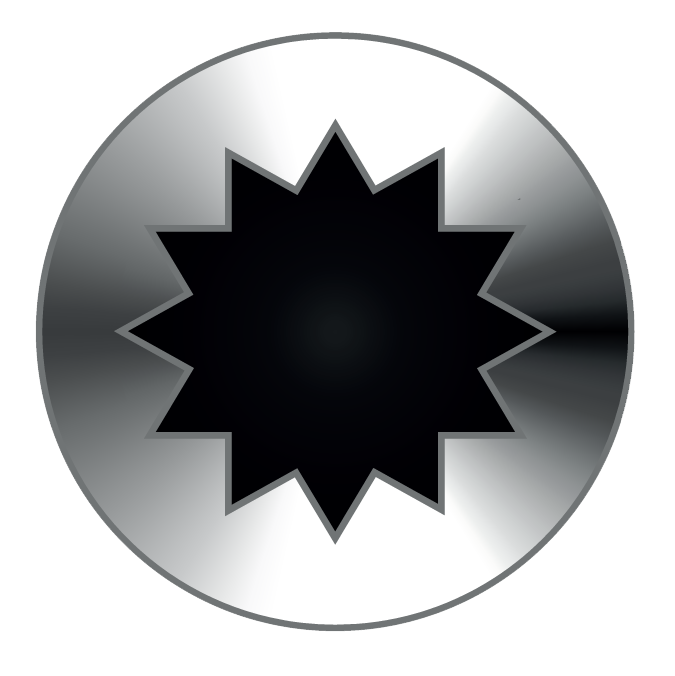
Spline drive (multi-tooth)
Many narrow teeth increase contact area and torque transfer, common in aerospace and heavy equipment.
Notes: Seat fully before torque to avoid tooth edge damage.
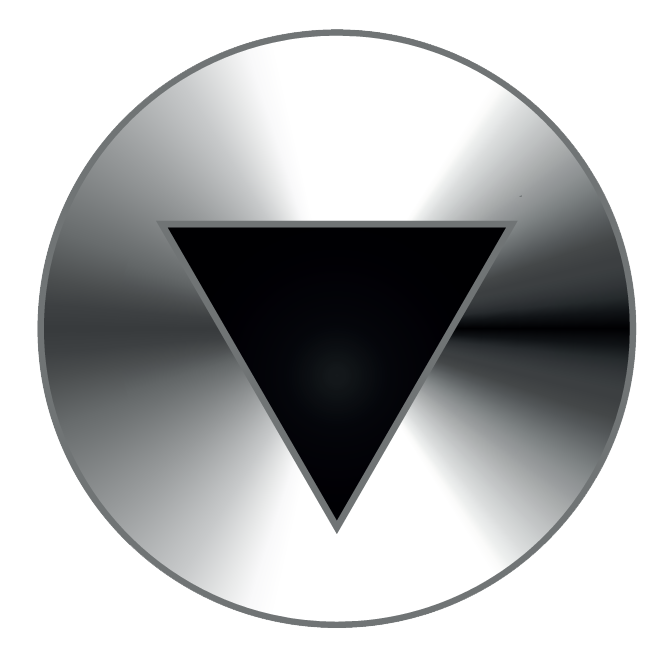
Triangle drive
Triangular recess typically used as a tamper-resistant drive in appliances and access panels.
Notes: Security-oriented; stock dedicated triangle bits for service work.
Use with BoltLab
Tools
Charts
Guide
FAQ
What is the difference between Phillips and Pozidriv?
Pozidriv has extra shallow radial ticks between the main cross blades, reducing cam-out versus Phillips when used with the correct bit.
Torx vs hex socket: which handles more torque?
Both are high-torque internal drives. Torx spreads load over six lobes; hex relies on six flats—both outperform Phillips when the bit fits properly.
What is a Robertson drive?
Robertson is a square recess common in Canada and woodworking. It resists cam-out and centers the bit well.
How do I identify my screw thread after the drive?
Measure major diameter and pitch (or TPI), then use BoltLab’s Thread Identifier.
For head-and-drive combinations in construction fasteners, see EJOT: head styles and types of drives.
Also read
Reference: Screw anatomy, Thread types, Screw head types, Head shape profiles
Guides: How to Measure Thread Pitch