Screw head shapes
These images show each head style in our asset library so you can compare overall shape and proportions. They pair with the categorized guide on screw head types and with drive recesses. Thread data belongs in our size chart and identifier tool.
Countersunk
Flush or tapered seats; bugle spreads load in thin panels such as drywall.
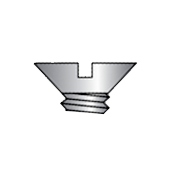
Flat Head
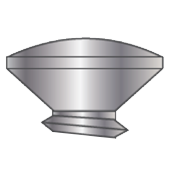
Oval Head
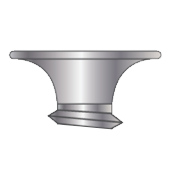
Bugle Head
Pan / round
Heads that stand proud of the surface; fillister is taller for counterbores.
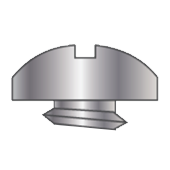
Pan Head
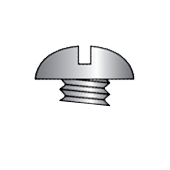
Round Head
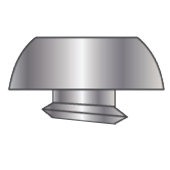
Button Head
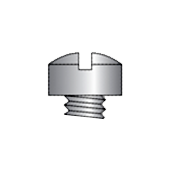
Fillister Head
Hex
External wrenching; washer and flange variants spread load.
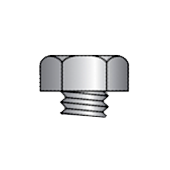
Hex Head
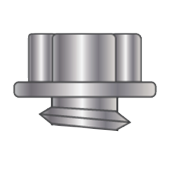
Hex Washer Head
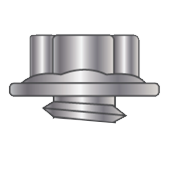
Hex Flange Head
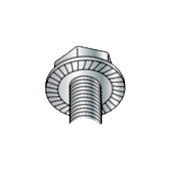
Serrated Flange Head
Low profile
Wide bearing area, shallow height—common on sheet metal and panels.
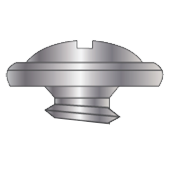
Truss Head
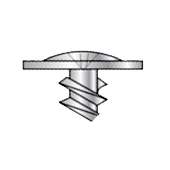
Modified Truss Head
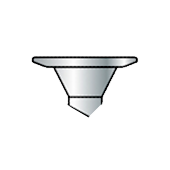
Wafer Head
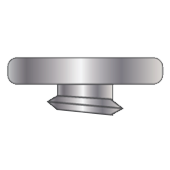
Pancake Head
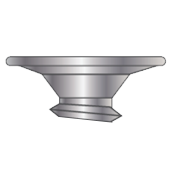
Large Wafer Head
Specialty
Profiles for binding stacks or minimal visible projection.
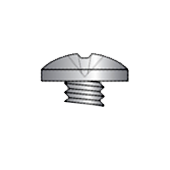
Binding Head
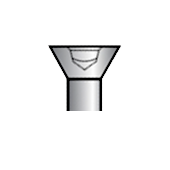
Trim Head
Related tools & charts
FAQ
What is the difference between head type and head profile?
Head type names the style (e.g. pan, hex). Head profile is the overall silhouette—how the head looks in height, width, and whether it sits flush or above the surface.
What does a countersunk head look like in profile?
A straight cone from the bearing surface to the shank, often 82° or 100°, so the head can sit flush with a matching countersink.
Why choose truss vs pan profile?
Truss spreads load over a wider, lower dome; pan is smaller in diameter and often taller relative to width—pick based on bearing area and clearance.
Where do I find thread sizes after choosing a head shape?
Use the Universal Screw & Bolt Size Chart or Thread Identifier with measured diameter and pitch.
For more head style photos and context, see CDE Fasteners: common fastener heads.
Also read
Reference: Screw head types, Screw drive types
Guides: Bolt vs Screw, Thread Pitch Explained